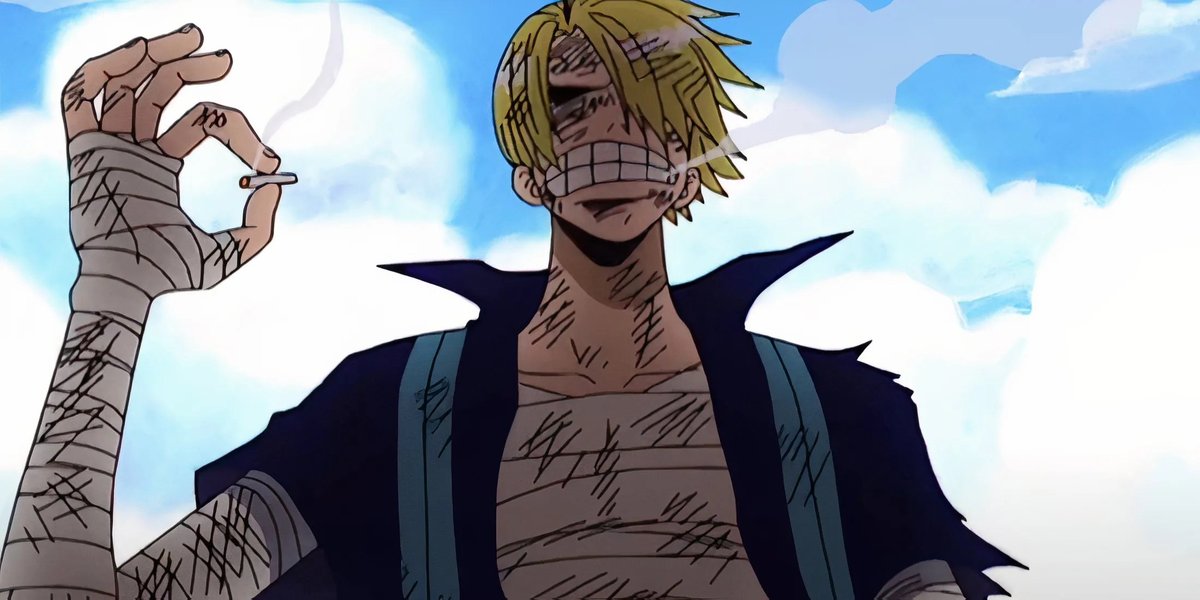
Many fans of anime and manga often wonder about potential crossovers or mistakenly associate characters from different universes. One such query that frequently surfaces is "Sanji in The Promised Neverland explained." While One Piece's culinary genius, Sanji, is undoubtedly a fan favorite with his distinctive cooking skills and chivalrous nature, it's important to clarify right from the start: Sanji is not a character in Kaiu Shirai and Posuka Demizu's acclaimed series, The Promised Neverland.
However, the very existence of such a question speaks to the vibrant fan culture and perhaps a shared thematic resonance or character archetype that prompts these imaginative leaps. Instead of explaining a non-existent crossover, this flagship Super Pillar hub will dive deep into The Promised Neverland itself, unraveling its complex narrative, its unforgettable characters, and the dark, thrilling world that captivated millions. If you're here to understand the gripping tale of Emma, Norman, and Ray and their fight for freedom, you've come to the right place.
Unraveling The Promised Neverland: A World of Deception and Hope
The Promised Neverland burst onto the scene in 2016, quickly becoming a sensation for its unique blend of psychological thriller, dark fantasy, and shonen adventure. What begins as an idyllic tale of orphans living happily quickly twists into a chilling revelation: their home is merely a farm, and they are the livestock. This shocking premise set the stage for a critically acclaimed manga, spanning 20 volumes, and a popular anime adaptation.
The series is praised for its intricate plot, nail-biting suspense, and powerful themes of freedom, family, and perseverance against insurmountable odds. It challenges readers and viewers to think, question, and root for its resourceful young protagonists as they navigate a treacherous world.
Grace Field House: A Golden Cage of Horrors
At the heart of The Promised Neverland is Grace Field House, an orphanage that initially appears as a beacon of warmth and happiness. Children live a seemingly carefree life, filled with games, learning, and the loving care of their "Mom," Isabella. Each child bears a tattooed number, a seemingly benign detail that masks a far more sinister purpose. They are told they will be "adopted" once they reach a certain age or intelligence level, unaware of the grim reality awaiting them at the gate.
This pastoral setting, with its strict rules and invisible perimeter, is meticulously designed to raise humans as prime quality meat for the demon world. To truly grasp the terror and ingenuity of the children's escape, it's essential to explore the chilling details of Grace Field House, understanding how every aspect of their "home" was a meticulously crafted deception.
The Children Who Saw Through the Lie: Emma, Norman, and Ray
The narrative anchors itself around a brilliant trio of 11-year-olds: Emma, Norman, and Ray. Emma is an embodiment of boundless optimism and empathy, her unwavering spirit driving the group forward. Norman, with his sharp intellect and strategic mind, often devises the intricate escape plans. Ray, a cynical and calculating bookworm, possesses a deep understanding of their grim reality, having known the truth for years.
Their combined intelligence and differing personalities form the backbone of the children's resistance. It's their discovery of Conny's fate that shatters their blissful ignorance, igniting their desperate fight for survival. Delve deeper into the core trio of Emma, Norman, and Ray to understand their individual strengths, evolving relationships, and the pivotal roles they play in the grand escape.
The Promise, The Demons, and The Larger World
Beyond the walls of Grace Field House lies a world governed by an ancient pact known as "The Promise." A millennium ago, this agreement ended a devastating war between humans and sentient "demons," leading to the creation of separate worlds. Humans were granted a demon-free existence, while a select few were designated as livestock in the demon world, bred to prevent demons from degenerating into mindless beasts.
As Emma and her siblings venture into this dangerous unknown, they encounter both formidable adversaries like the demon queen Legravalima and Peter Ratri, as well as unexpected allies such as the enigmatic demons Mujika and Sonju. Their journey unravels the complex history and fragile balance between these two species. For a comprehensive understanding of the elaborate supernatural framework, we highly recommend exploring the intricate lore of demons and The Promise.
From Page to Screen: The Anime and Its Controversies
Given its immense popularity, The Promised Neverland received an anime adaptation from CloverWorks. The first season, which aired in 2019, was critically acclaimed, lauded for its faithful adaptation of the manga's intense psychological suspense and character development. It quickly became one of the decade's standout anime series, drawing in a global audience.
However, the second season, released in 2021, met a starkly different fate. Fans and critics alike widely panned it for its drastically rushed pacing, significant deviations from the original manga's plot, and simplification of complex storylines. This stark contrast highlights the challenges of adapting beloved source material. To fully appreciate where the anime succeeded and where it faltered, understanding the significant differences between The Promised Neverland anime and its original manga is key.
A Legacy of Praise and Debate
Despite the mixed reception of its second anime season, The Promised Neverland manga has achieved significant acclaim, including winning the 63rd Shogakukan Manga Award in 2018. By August 2023, it boasted over 42 million copies in circulation, solidifying its place as a best-selling manga. Its initial success was undeniable, praised for its fresh take on the shonen genre and its compelling narrative.
Yet, even the manga's conclusion proved controversial for some segments of its dedicated fanbase, despite the overall high quality of the series leading up to that point. Exploring the controversies and overall reception of the series offers a deeper insight into how such a groundbreaking story left its indelible mark, both positively and through its polarizing moments.
The Journey's End: Emma's Sacrifice and Reunion
The manga's conclusion sees Emma, through sheer determination and a selfless act, forge a new "Promise." This agreement frees all the human children from the demon world, transporting them to the human realm they've only dreamed of. The cost of this monumental achievement, however, is deeply personal for Emma: the sacrifice of her memories and future with her beloved family.
Two years after the children's arrival in the human world, Emma is found with no recollection of her past. The final chapters culminate in a poignant reunion, where Ray, guided by the spirit of Conny, finds Emma. Though she doesn't recognize them, the enduring bonds of family and love shine through, promising a new beginning. To fully grasp the emotional depth and thematic resolution, a detailed look into the nuanced ending of The Promised Neverland manga is essential, including the bittersweet nature of Emma's memory loss and the profound messages of hope and connection that remain.
Beyond the Story: Inspirations and Impact
The Promised Neverland didn't spring from a vacuum; its creators, Kaiu Shirai and Posuka Demizu, drew from a rich tapestry of influences. Shirai's initial 300-page draft in late 2013 was shaped by children's folklore like Hansel and Gretel, which deeply resonated with the idea of children being eaten. Demizu's art, chosen for its perfect fit with the dark fantasy imagery, was inspired by Japanese folklore, European fairy tales like Little Red Riding Hood, and even acclaimed works like Naoki Urasawa's Monster.
The setting itself, reminiscent of Victorian England, was a deliberate choice to create a sense of anachronism, disorienting readers and avoiding a specific timeframe. The very title, "The Promised Neverland," deliberately evokes J.M. Barrie's Peter Pan, blending childish playfulness with a dangerous shadow. For a fascinating peek behind the curtain, uncover the fascinating real-world inspirations behind its creation and understand how these diverse elements converged to form such a singular masterpiece.
The Promised Neverland stands as a testament to the power of imagination, the resilience of the human spirit, and the unbreakable bonds of family. While Sanji may not be part of this particular universe, the profound journey of Emma, Norman, and Ray offers a compelling and unforgettable narrative that continues to resonate with fans worldwide.